

Teaching Kindness in February
February may be the shortest month of the year, but it is full of big feelings, busy energy, and plenty of opportunities to sprinkle kindness all over the classroom.
Between Valentine’s Day excitement, winter wiggles, and mid-year refresh and focus, February is the perfect time to remind our students of something powerful: Kindness matters, and small acts can make a big difference every day.
Why February Is Made for Kindness
There’s something about February that naturally invites kindness. Hearts, notes, smiles, and thoughtfulness are everywhere. Instead of focusing only on candy and cards, this is a beautiful time to help students practice kindness in ways that last beyond Valentine’s Day. And the best part? Kids love being kind when it feels fun, doable, and meaningful.
Keep It Simple — Little Acts Count!
Kindness doesn’t have to be big or complicated to be powerful. In fact, children thrive when kindness is broken into small, everyday actions they can actually do.
Point out ways they are being kind to one another when they share supplies, help clean up without being asked, smile at someone, include someone to play with them at recess, use compliments and kind words with each other, even when working out a problem that may arise. When students see that kindness fits so easily into the everyday, it becomes a habit and not just a holiday.

Make Kindness Visible
February is a great time to make kindness something students can see and celebrate.
Here are some fun activities you can do as a class:
- Make a kindness chain where each link represents a kind act
- Add a classroom kindness jar filled with notes
- Create a heart wall displaying the kind choices the students want to make
- Make “Heart Art” projects that represent thoughts and feelings of love for ourselves and others
- Set up a Valentine’s letter writing center or station where students can write cards to each other, take home to family, or give to a teacher or helper at school
- Learn songs about love and kindness and sing them to other classes, your school principals, secretaries, librarians, lunch helpers, and custodians
- Instill daily “kindness shout-outs” during your morning meeting
- Add “heart stones” to a jar when students do kind acts. Also, give each student a “heart stone” of their own to keep that reminds them to do an act of kindness every day at home, school, or in their community
These simple activities show students that kindness is happening all around them, and that they’re part of it!
Read Stories That Warm Hearts
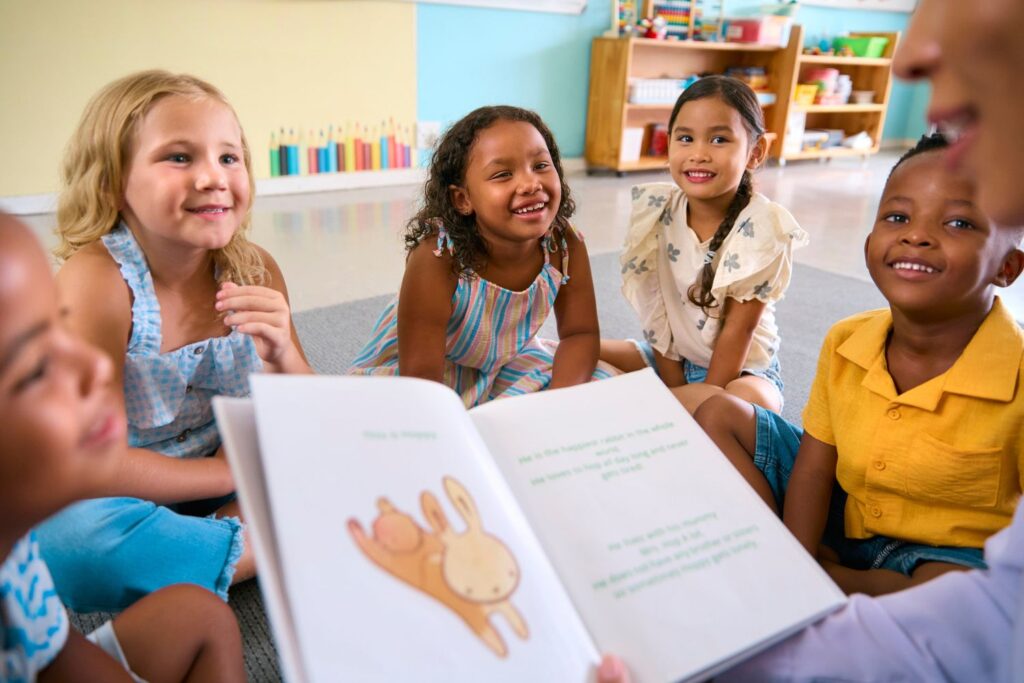
Books are one of the easiest ways to teach kindness naturally. A good story opens the door to conversations about empathy, feelings, and choices without pressure.
After reading, ask questions like:
- “How did the character show kindness?”
- “How do you think that made others feel?”
- “What could we try in our classroom?”
Having discussions after reading stories helps students see kindness in action and imagine themselves doing the same.
Model Kindness
One of the most powerful kindness lessons doesn’t come from an activity or a book; it comes from you. Students will always notice how you speak to them, how you handle mistakes, how you respond when things feel hard, and how you model kindness throughout the day.
When teachers model patience, encouragement, and grace, students learn that kindness isn’t just something we just talk about; it’s something we live.
Let Kindness Be Messy and Real
Kindness won’t always look perfect. Sometimes students will forget. Sometimes feelings will get big. And that’s okay. Kindness is about talking it through, trying again, repairing, and growing together. These moments can matter just as much as the kind choices.

A Little Love Goes a Long Way
Teaching kindness in February isn’t about checking off a box or creating the “perfect” activity. The most important thing is about creating a classroom where students feel safe, valued, and connected (even on the extra wiggly days), because when children feel loved, they learn how to love others.
And honestly, that’s one of the most important lessons we’ll ever teach.
Warmly,
Debbie
 Debbie Bagley works as a Studies Weekly Teacher Advocate. Teacher Advocates are former teachers who help teachers like you implement Studies Weekly materials into their instruction. Teacher Advocates are available to provide support through email, phone call, and video chat. Teacher Advocates are only available for classroom teachers currently using Studies Weekly materials. They are not available for homeschools. Schedule a meeting with Debbie here.