

Creating a Joyful, Learning-Ready Classroom
There is something special about walking into a classroom that simply feels joyful. Maybe it’s the soft glow of a lamp in the corner, a bookshelf filled with well-loved stories, student artwork proudly displayed on the walls, calming music playing, or the cheerful greeting waiting at the door. Whatever it is, you can feel it immediately. The room feels welcoming. It feels safe. It feels like a place where happy learning can happen.
As teachers, we spend a lot of time thinking about lesson plans, schedules, and classroom procedures, but the environment we create matters too. The spaces our students enter each day send a message long before the first lesson begins. In fact, that message starts before students even walk through the door.
Make an Impression at the Entrance
Think about your classroom entrance. It’s often the first thing students and families see each morning. A welcoming door display can help students feel excited to come inside and remind them that they belong. Whether it’s a simple sign that says “Welcome!” with student names displayed proudly, or a theme that reflects the adventure and happiness of learning, your classroom door serves as an invitation.
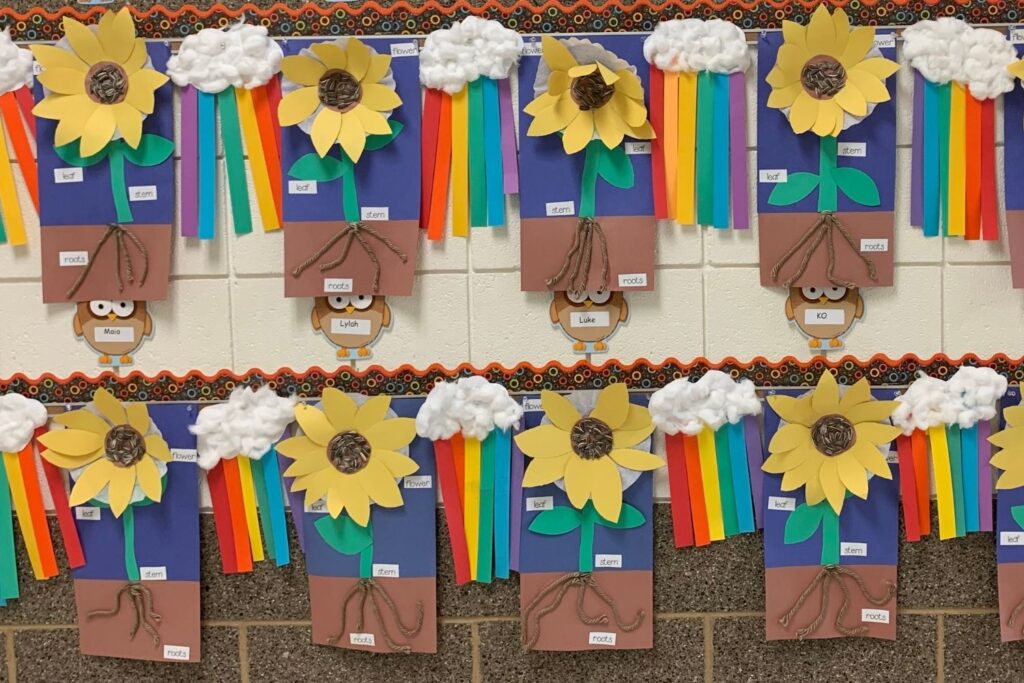
The hallway outside your room can be just as meaningful. Instead of viewing it as simply a place to hang decorations, think of it as an extension of your classroom community. Student photos, self-portraits, writing samples, classroom goals, and special projects help tell the story of the learners inside your room. When children see themselves represented in the space, they gain a sense of ownership and pride.
Showcase Student Work and Growth
Once students step inside the classroom, the goal is to continue that feeling. One of my favorite ideas is to leave part of a bulletin board unfinished at the beginning of the year. Add a title like “Watch Us Grow,” and then allow students to fill it throughout the year with their work, accomplishments, and memories. By spring, the board becomes a beautiful visual reminder of how far everyone has come.
Leaving space for student-created learning helps the classroom feel even more meaningful. Rather than covering every inch with purchased decorations, save room for anchor charts, student writing, artwork, science observations, classroom goals, and collaborative projects. When students help create the displays around them, they see themselves as an important part of the classroom community. The room begins to tell our class story.
Help Students Get to Know You
I also love including personal touches that help students get to know their teacher. Family photos, favorite books, travel souvenirs, classroom traditions, or items that reflect your hobbies can spark conversations and build relationships. Children are naturally curious, and these small glimpses into our lives help them feel connected to us.
Quick tip: While gathering things, it is helpful to remember that a joyful learning classroom environment doesn’t have to be expensive, perfectly coordinated, or like a Pinterest photoshoot. Some of the most inviting classrooms are the ones that feel lived in and loved. They are filled with student voices, meaningful learning, and evidence of growth.
Create a Cozy, Natural Environment
Soft Lighting
One simple way to create a cozy atmosphere is by paying attention to lighting. While we don’t always have control over the fluorescent lights above us, many teachers find that adding a lamp, string lights, or simply covering or turning off a portion of the overhead lights during independent work time can instantly make the room feel calmer. Soft lighting creates a more relaxed environment and often helps students settle into learning.
Natural Elements
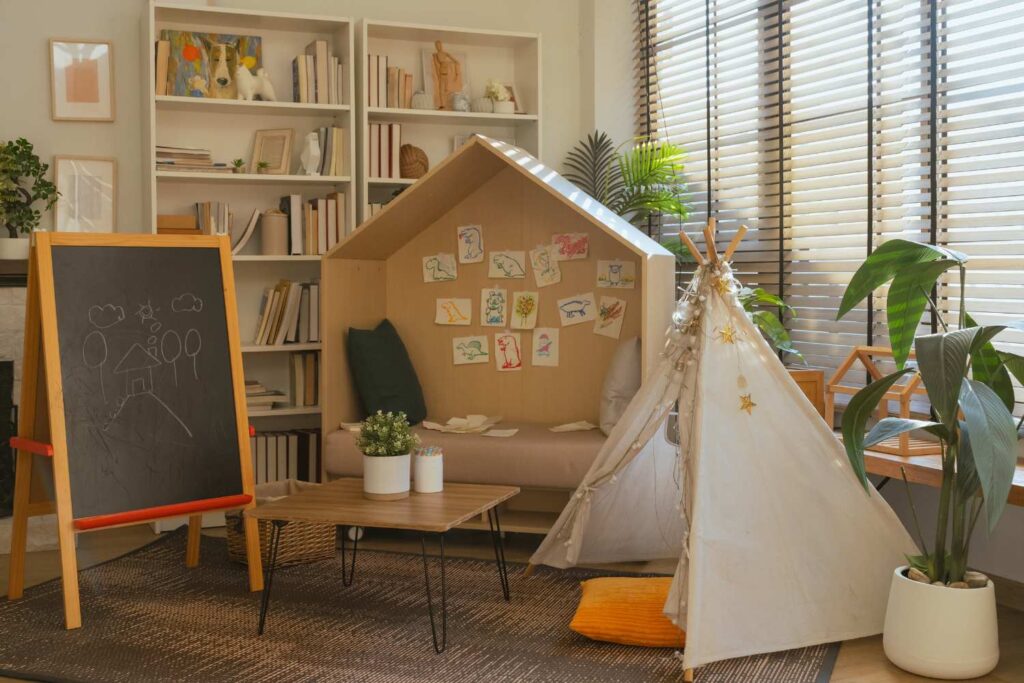
Bringing a little bit of nature into the classroom can have a similar effect. A few plants on a shelf, fresh flowers from your garden, or natural elements like wood, baskets, pinecones, rocks, or leaves can help create a peaceful atmosphere. Nature has a way of helping us slow down and breathe. Teachers and students alike benefit from that calming feeling.
Comfortable Seating
Another way to make a classroom feel welcoming is to create spaces where students can comfortably gather and learn. A cozy reading corner with pillows, carpet squares, bean bags, or flexible seating options can quickly become a favorite spot. It doesn’t have to be elaborate. Sometimes, a basket of good books and a comfortable place to sit are all students need to develop a love of reading.
Calming Spaces
One often-overlooked area of classroom design is creating spaces that support students emotionally. Learning can be challenging, and every child experiences difficult moments. A calm corner, peace place, reflection area, or regulation station gives students a safe space to regroup when they need it.
This doesn’t have to be complicated. A few breathing strategy cards, a feelings chart, calming tools, or a journal can make a big difference. More importantly, it communicates an important message: this is a classroom where we care for the whole child, not just their academics.
The Power of Music
As you’re planning your classroom this year, consider what students will see, hear, and feel when they enter your room. Music can be a simple but powerful way to create a joyful, learning-ready environment throughout the school day.
A cheerful song playing as students arrive can help them feel welcomed and excited to start the day. Gentle instrumental music during independent work can create a calm atmosphere that supports focus and concentration. Transition songs can help classroom routines run more smoothly, while brain break music gives students a chance to move, reset, and recharge.
Music also adds joy to celebrations, classroom accomplishments, and special moments. Even a simple goodbye song or calming music at the end of the day can help students leave feeling positive and connected. Over time, music becomes part of the rhythm of the classroom. Students begin to associate certain songs with feelings of comfort, focus, excitement, and belonging.

Years from now, students probably won’t remember your door decorations or whether every basket matched. They will remember how they felt in your classroom.
They’ll remember the teacher who greeted them every morning.
They’ll remember the cozy reading corner where they discovered a favorite book.
They’ll remember seeing their artwork hanging proudly in the hallway.
They’ll remember feeling safe enough to ask questions, make mistakes, and try again.
A warm, joyful, learning-ready classroom isn’t really about decorations at all. It’s about creating an environment where students know they matter. “You belong here. We are glad you’re here. And wonderful things are waiting for you inside.”
Warmly,
Debbie

Debbie Bagley works as a Studies Weekly Teacher Advocate. Teacher Advocates are former teachers who help teachers like you implement Studies Weekly materials into their instruction. Teacher Advocates are available to provide support through email, phone call, and video chat. Teacher Advocates are only available for classroom teachers currently using Studies Weekly materials. They are not available for homeschools. Schedule a meeting with Debbie here.