
Here's What You Missed at Learning Lab 2026
Learning Lab 2026 brought together more than 2,000 educators for two days of learning. Sessions focused on literacy, inquiry, lesson design, artificial intelligence (AI), and practical classroom strategies.
Couldn’t attend every session? Here are the most important ideas and resources you may have missed.
Learning Lab 2026 at a Glance
- Background knowledge and vocabulary help students understand what they read.
- Strong lesson design gives students more chances to succeed.
- Inquiry helps students become curious and thoughtful learners.
- AI should support learning without replacing student creativity.
- Many sessions offered tools educators can use right away.
Keynote Highlights
This year’s keynote speakers delivered powerful insights on the relationship between knowledge, instruction, and student achievement.
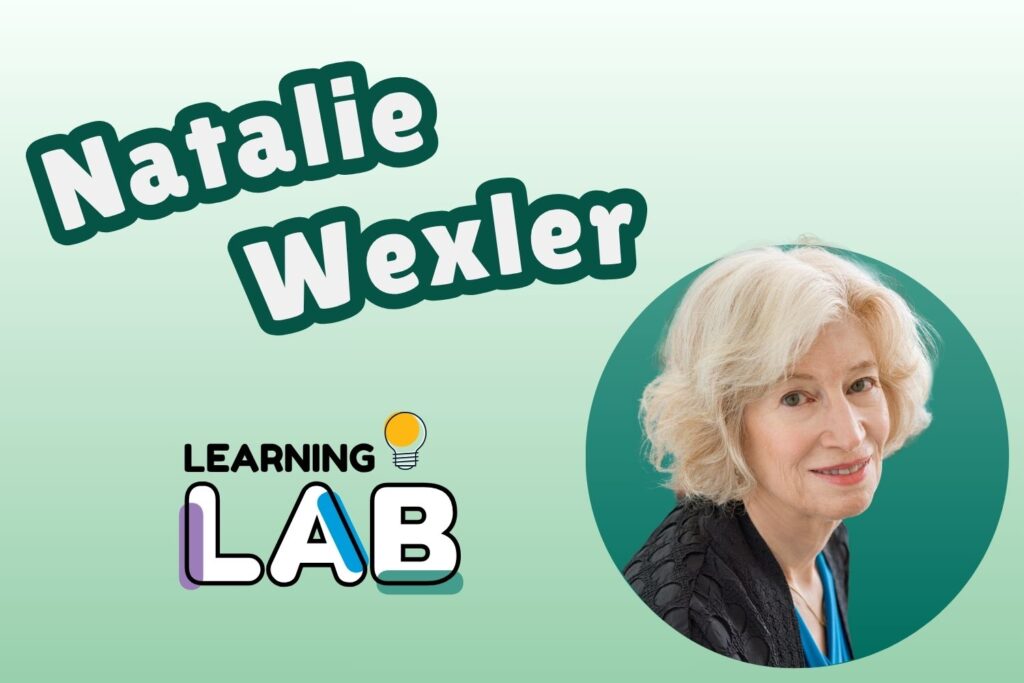
Natalie Wexler is an education journalist, author, and thought leader best known for her work on literacy, curriculum, and the role of background knowledge in reading comprehension. She is the author of The Knowledge Gap, a book that has influenced national conversations around curriculum design and reading instruction.
In her keynote session, “Beyond the Science of Reading: Connecting Literacy Instruction to the Science of Learning,” Wexler shared the science that relates to reading comprehension with attendees, and why the evidence shows that knowledge — including knowledge of social studies and science — is crucial to comprehension and learning in general.
“A skill like finding the main idea isn’t like riding a bike — whether or not you’re going to be able to apply that skill is dependent on your background knowledge,” she said.
Wexler explained how to provide students with all the benefits of science-informed pedagogy through a combination of content-rich curriculum and explicit writing instruction. For example, when teaching social studies or science, she encouraged educators “to think of yourself as a literacy teacher as well,” because content area and literacy instruction are the most powerful when they are combined.
She also encouraged educators to use social studies and science to build students’ knowledge and vocabulary intentionally, noting, “We need to give them as much access to academic vocabulary and information as possible.”
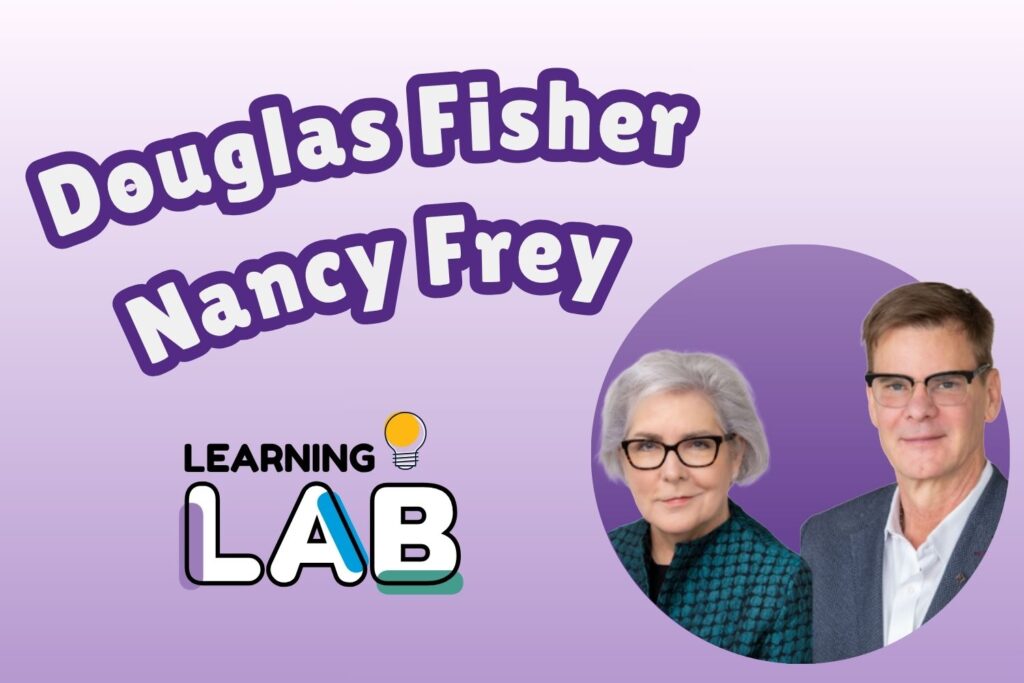
The other keynote session was given by Dr. Nancy Frey and Dr. Douglas Fisher, nationally recognized education thought leaders known for translating research into practical, high impact classroom instruction. Together, they have authored or co-authored dozens of influential books used widely in K–12 professional development.
In their keynote session, “Unlocking Learning Through Strategic Lesson Design,” Dr. Frey and Dr. Fisher reinforced the impact of effective instructional design, explaining that it is a major driver of student learning. When classroom experiences are intentionally designed to meet each learner’s needs, you can optimize student learning and achievement, they explained.
“Lesson design has a huge potential to accelerate learning,” Dr. Frey explained.
They shared some best practices to support the implementation of a Gradual Release of Responsibility type of instructional framework within the classroom, and research-based instructional practices.
Dr. Fisher concluded that “If we can include opportunity for success, students come to expect success.”
Conference Themes
AI and Human-Centered Learning
Noelle Carter, PhD, Studies Weekly’s Chief Curriculum Officer, led one of the conference’s most discussed sessions.
She asked educators to consider how AI can support learning without replacing the qualities that make learning human. Her questions included:
- How can students use AI and still think for themselves?
- How can AI support creativity instead of replacing it?
- How can schools balance new technology with meaningful learning?
The session led to important conversations about innovation, creativity, and responsible AI use.
Real-World Learning and Inquiry
Across multiple sessions, presenters highlighted the importance of connecting instruction to students’ lived experiences and natural curiosity.
During an Open Forum, “Let’s Talk About Science,” Alice Johnson, Studies Weekly Science Curriculum Director, emphasized that using real-world scientific phenomena to encourage students to think deeply is the heart of science instruction.
Plus, with educators’ ever-changing time constraints, she shared the importance of having a science curriculum that is not overwhelming for teachers and doesn’t create barriers for exploration.
“When it comes to hands-on activities, they should be very accessible materials,” she said.
Sarah Howard, an elementary Science and Social Studies teacher and K-2 District Science Teacher Lead, also focused on strategies for anchoring phenomena and purposeful questioning to drive student learning and achievement. In her session, “Natural Inquiry: Using Anchoring Phenomena and Questioning for High Outcomes,” she shared real experiences from her own classroom to show how natural inquiry transforms science instruction from just “learning about” science to actively “doing” science — and empowers students to become curious thinkers, problem-solvers, and lifelong learners.
Social Studies sessions also focused on real-world learning as well.
Andrew Franck, an 8th-grade World History Classroom Teacher, discussed using analytical writing to shift the cognitive load back to students in his workshop session, “Critical Thinking and Analytical Writing for Middle School.”
His presentation provided participants with instructional strategies to scaffold contextualization and evidence-based claims, providing all learners and teachers with a repeatable, high-level toolkit for written expression.
Real-world inquiry-based learning is applicable even in the younger grades. In her session, “Inquiry in Action: Exploring Social Studies in Kindergarten,” Kindergarten teacher Alissa Rolling reinforced the value of this learning strategy, and demonstrated how to bring kindergarten standards to life through real-world, developmentally appropriate experiences.
For example, one of her strategies used an “Observe, Wonder, Explore, Reflect” framework, and was a tool that attendees learned and could implement immediately in their own classroom.
“Inquiry-based social studies gives students the tools to explore their world,” she said.
Takeaways
Several ideas emerged throughout the conference:
- Strong lesson design creates opportunities for accelerated learning.
- Student success grows when learners experience consistent opportunities to succeed.
- Background knowledge and academic vocabulary are essential components of literacy development.
- Inquiry-based instruction empowers students to think critically and engage deeply with content.
- AI should enhance learning while preserving student creativity, curiosity, and humanity.
Practical Tools for Educators
Learning Lab 2026 offered more than big ideas. Presenters also shared tools educators can use right away.
- Graphic organizers: Betsy Glisson showed how organizers can help students plan and improve their writing.
- Homeschool strategies: Charissa Taylor shared lesson-planning tips, hands-on projects, and activities that connect multiple subjects.
- Assessment tools: Educators received templates and ideas for tracking student progress.
- Digital resources: Presenters demonstrated ways to use Studies Weekly Online for planning, instruction, and student engagement.
Participants left with practical strategies they could bring directly into their classrooms and learning spaces.
Missed a Session? Watch On-Demand
Registered attendees can watch Learning Lab 2026 recordings in the Zoom Events lobby through July 17, 2026.
- Open the Zoom Events lobby.
- Select the sessions you want to watch.
- Complete the Learning Lab Exit Ticket to earn professional development credit.
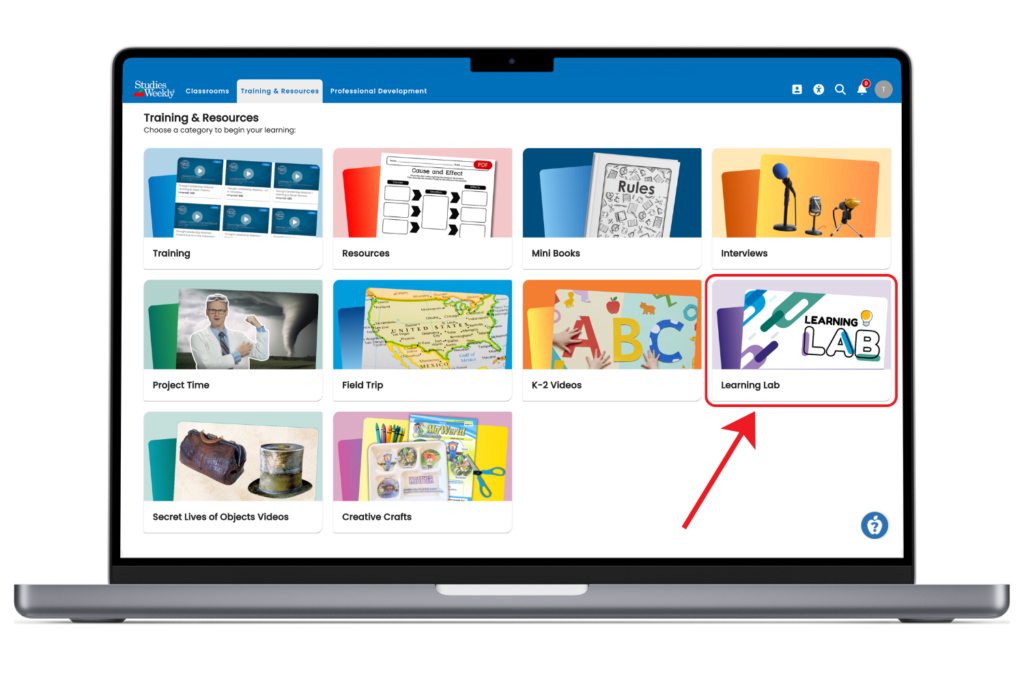
Recordings will also be added to Studies Weekly Online under the Training & Resources tab.
Subscribe to the Studies Weekly newsletter to receive updates when the recordings become available.
Whether you revisit a favorite session or watch one you missed, there is still plenty to explore.
Thank you to everyone who attended Learning Lab 2026. We can’t wait to continue learning with you next year!
Social Studies
Standards-aligned lessons that spark curiosity
Science
Encourage students to investigate
Health & Wellness
Boost your students’ emotional wellness skills
Studies Weekly Online
Less prep, more impact on students