

Blending Social Studies and ELA
“If history were taught in the form of stories, it would never be forgotten” – Rudyard Kipling
Social studies is more than just teaching kids facts, dates, states and capitals. It’s about the stories — it’s the “why” behind each individual’s choices, their interactions with each other and the world.
Social studies also has the unique ability to powerfully tap into the whole student. It challenges them intellectually and asks them to reason and think while connecting with them emotionally as they learn about the highs and lows of the human experience.
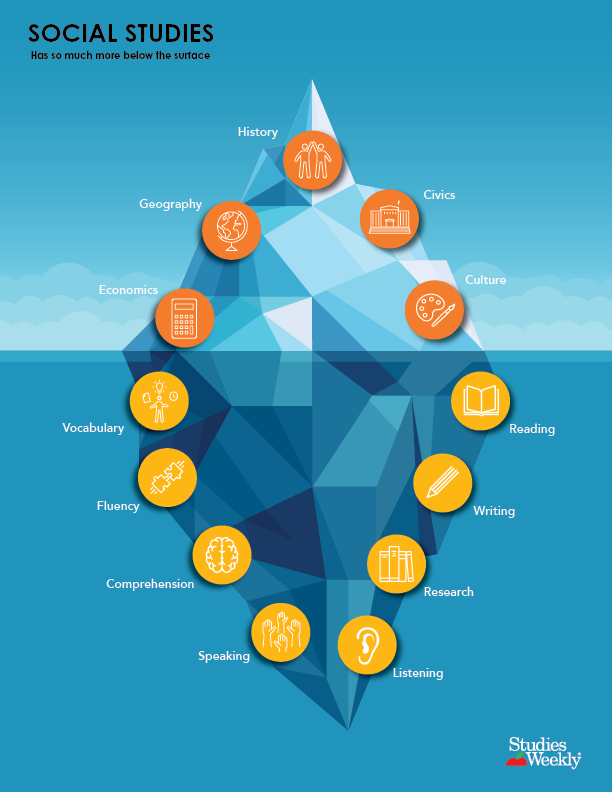
Click on the image to enlarge
Social studies also can be the gateway to better learning in all subjects. That’s why we design our social studies content with an integrated learning approach. Our standards-based curriculum covers the five strands of social studies — history, geography, civics and government, economics and culture — but uses social studies practices and English Language Art strategies to help students perfect their knowledge and skills.
Incorporating social studies into your language arts block enriches student language acquisition, reading, writing, listening and speaking. For example, ELA standards ask for individual, guided and whole-group reading, and Studies Weekly’s format works perfectly for all of these. We present history in clear, concise, content-rich sections — perfect for any reading strategy.
Additionally, our curriculum is perfect for learning new vocabulary through context clues. The words students learn through their social studies reading is background knowledge for other subjects — even math and science.
“Integration of ELA strategies into social studies gives students an opportunity to use and refine ELA skills while using relevant content,” said Kelly Jeffery, ELA curriculum director at Studies Weekly.
Here are four ideas to blend social studies and ELA:
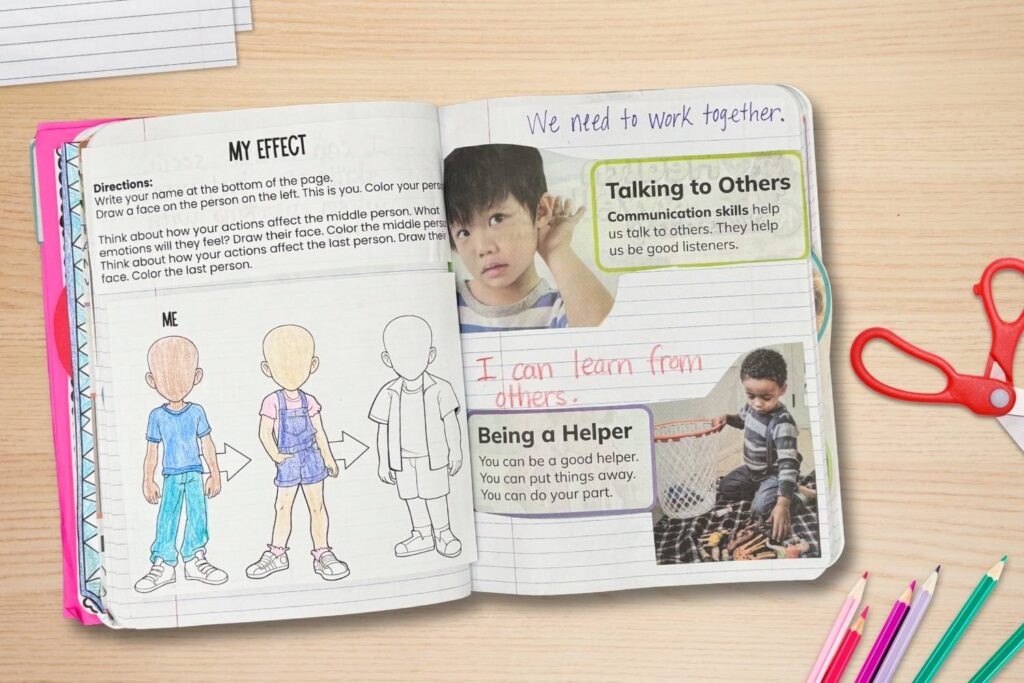
1. Use Interactive Notebooks
“[I]nteractive notebooks are simple spiral-bound notebooks into which students glue or tape my handouts,” said Christina Gil in a 2016 article for Edutopia. “It’s just a simple, functional way for students to create, write, and explore ideas all in the same place.”
Jeffery explained that interactive notebooks are a way for both the teacher and student to see what students are learning and thinking. Students use them to take notes, explore ideas, ask questions, reflect and respond. They then become a sourcebook for students as they review for assessments.
“They pair very well with Studies Weekly because it is a perfect way to consume our publications,” Jeffery added.
2. Create a Presentation
All students need opportunities — beyond writing — to share their understanding. Presentations are perfect for this.
Brochures, posters, and classroom tech like Google Slides, Nearpods, etc. are all interactive avenues for students demonstrate their knowledge while working individually or collaborating with a group. Similarly, students can create video journals where they storyboard and respond to historic events. The goal is not a perfect analysis of the event or the historical figure they are studying, but a reflection on it.
Additionally, students can create reader’s theaters or short plays based on historic events, and perform them for the class. Others might opt to write a poem about a historic figure, or create a “children’s book” explaining the formation of their state, or a comedy sketch about the three branches of government.
3. Create a Supported Response
Using informational texts from their weekly units, students can create a reasoned persuasive argument that shares their opinion about an event or person.
This response can take the form of a small paragraph following the TEES Template as explained in our blog on open-ended questions. It could also be a written or artistic response recorded in their interactive notebooks. Whichever tool you use, students must include a main idea or opinion, and supportive evidence from texts to support it.
In older grades, you could set up a debate. Students can “pick a side” regarding an issue or event, and then research the pros and cons of that topic. You can create a simulation where they civilly share their opinions and factual evidence, but also listen to their opponent. The goal of this exercise is not to “win” but to try to find a compromise between both positions.
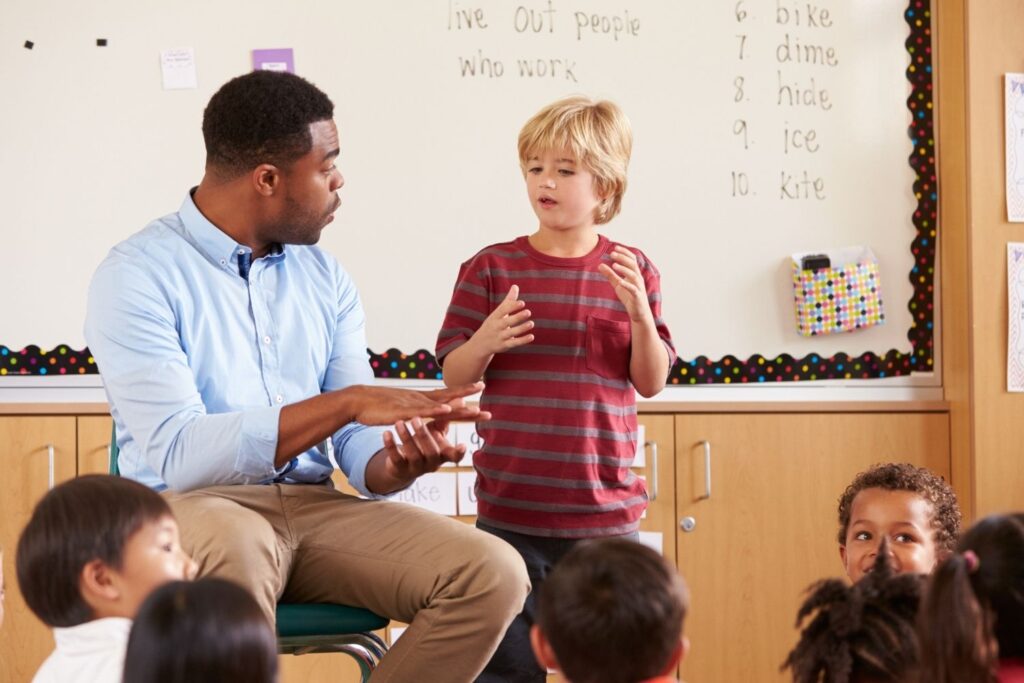
4. Hold Collaborative Groups
This is similar to #3, but it involves the class as a whole. After reading an article or articles within the Studies Weekly publication, give students time to analyze the information and reflect on it within their interactive notebook.
Next, put all the desks or chairs in the classroom in a circle. With their notebooks and/or articles in front of them, encourage the students to open up a dialogue about what they read. Encourage them to consider all voices and “sides” to an issue or event, and use additional sources, if needed, to deepen their understanding.
Social Studies Preserves ELA Time
Taking time for social studies doesn’t distract from ELA learning. In fact, it strengthens it! When students learn the vocabulary and content they study in social studies, they learn important words and context that help them become better readers, writers, listeners, and speakers.
These ideas will get you started on your journey of integrating and blending social studies and ELA. As you implement this more within your classroom, you will see students deepen their learning and better understand and use language.