

Look How We’ve Grown! Simple Ways to Help Students Reflect on Their Growth and Learning
As the school year begins to wind down, there’s something really special that starts to happen in the classroom. You look around and realize … these aren’t the same kids who walked in on the first day of school. They’ve grown! Grown in stature, but also in confidence, in skills, in friendships, and in who they are becoming.
Taking time for reflection is one of the most meaningful things we can do at the end of the year, and honestly, all along the way. Reflecting gives students a chance to feel proud, recognize their progress, and begin to see and understand themselves as learners.
Reflection doesn’t have to be complicated. It can be joyful, creative, and full of those sweet “remember when …” moments we all love.
Why Reflection Matters
When students reflect, they begin to:
- See their own progress (“I couldn’t do this before, but now I can!”)
- Build confidence and ownership in their learning
- Develop a growth mindset
- Feel a sense of pride and closure
Reflection turns learning into something personal, and that’s right where the magic happens.
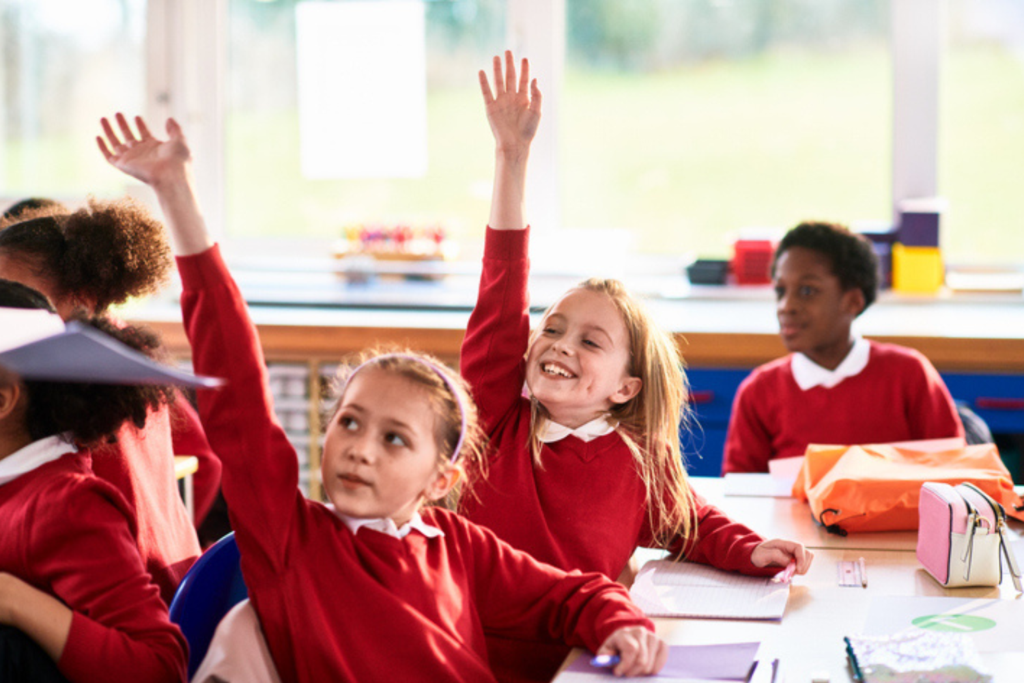
Memory Flipbooks: A Favorite Keepsake
One of my absolute favorite ways to help students reflect is by creating a Memory Flipbook. These are simple, meaningful, and something students treasure.
Each page focuses on a different reflection prompt. You can staple them together or create a layered “stacking” flipbook so each page peeks out.
Ideas for Flipbook Pages:
- At the beginning of the year, I could…
- Now I can…
- My favorite thing we learned was…
- A funny memory I will never forget…
- A friend who made a difference to me…
- Something hard I didn’t give up on…
- Something I’m proud of…
- Next year I hope to…
Play some soft music while your students work to create a calm, reflective environment. Encourage drawings, writing, or both, depending on your students. Some of the most meaningful responses come from the simplest reflections.
End-of-Year Books
End-of-Year books are a little more detailed and feel extra special. These can become a beautiful end-of-year tradition.
Pages You Might Include:
- Self-portrait: Beginning of Year vs. End of Year
- “All About Me Now” page
- Favorite subject
- Best field trip or class activity
- My teacher and class memories
- What I learned about being a good friend
- My goals for next year
You could even add in “Then and Now” comparisons, such as their first writing sample, artwork, and early math work, along with samples from the end of the year. This is always a powerful eye-opener for students, and watching them realize their own growth is so wonderful for teachers to witness.
Let students decorate their book covers, and if you are able, print or make copies of pictures taken during the year, such as a first-day class photo, a field trip photo, and a graduation or end-of-year photo. Adding in photos makes it extra special. These books often become keepsakes that families hold onto for years.
To help your students recall some favorite memories, here are some ideas that would be fun to work on together as a class:
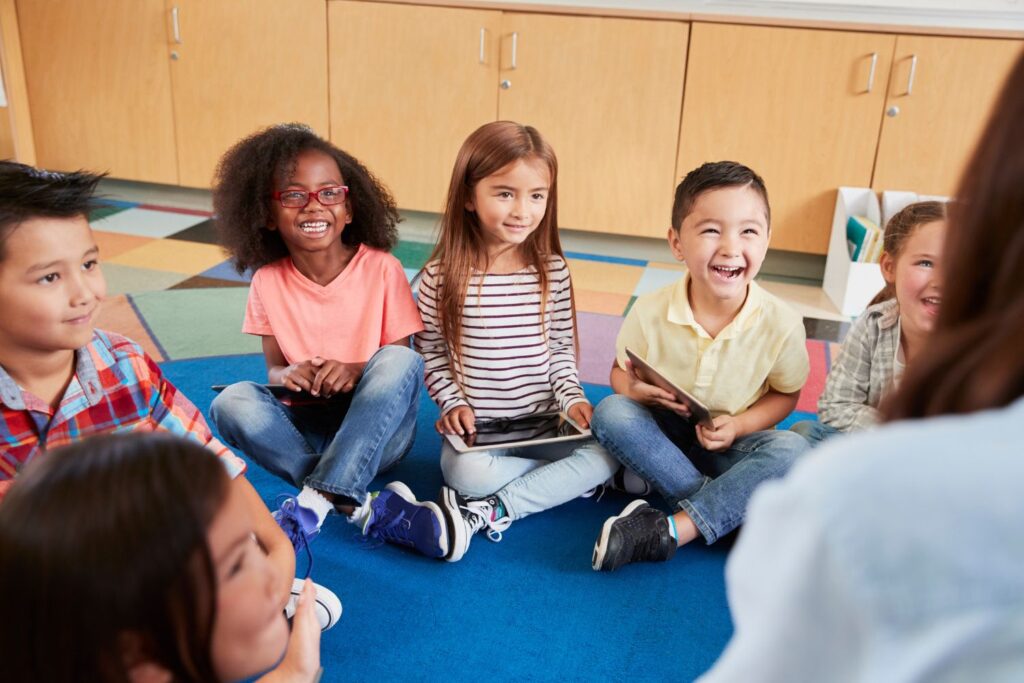
Reflection Circles: Sharing from the Heart
Gather students in a circle and ask a few reflection questions:
- “What is something you learned this year that you’re proud of?”
- “What was something that was hard at first but got easier?”
- “What is a favorite memory from our class?”
Give each student a chance to share if they’d like. You’ll be amazed at their honesty and thoughtfulness.
Class Timeline: Seeing Growth Together
A class timeline is such a powerful visual way to reflect as a group.
You can create this on a bulletin board or on a long strip of butcher paper across the wall. Students can also draw their own class timelines as you discuss the events of the year together.
Here are some important moments to focus on:
- First day of school
- Class celebrations
- Projects or units
- Field trips
- Holidays or themed days
- End of year
As you build it together, you’ll hear things like:
“Oh yeah! I forgot about that!”
“That was my favorite day!”
It is so much fun and brings back so many memories. Seeing it all laid out helps students see just how full their year has been.
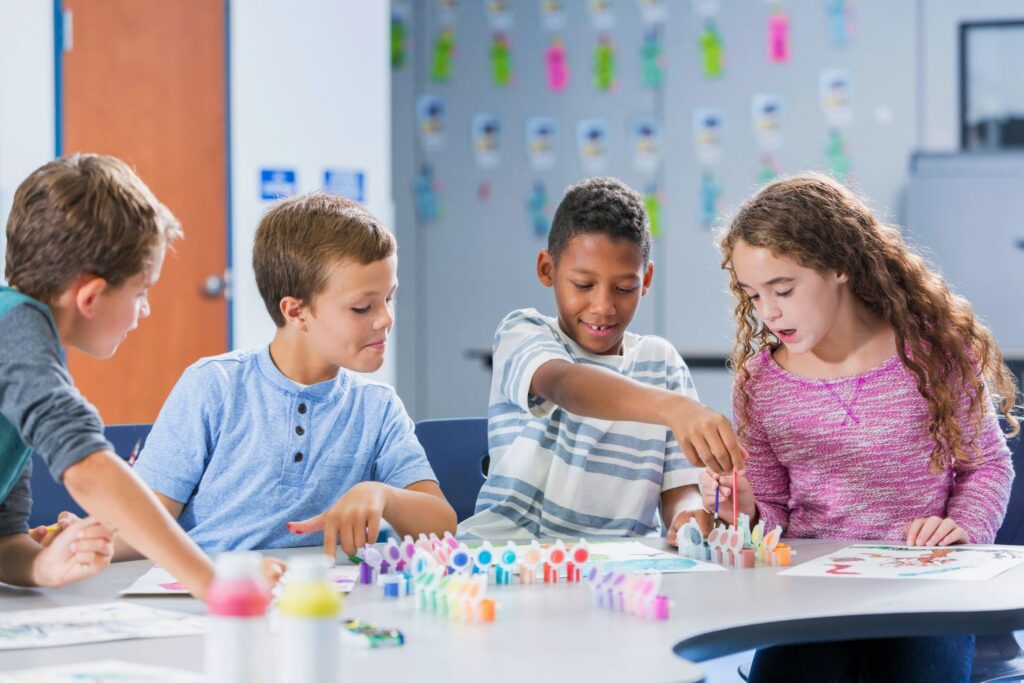
Reflection Through Art
Not all reflection has to be writing! If you don’t have a lot of time, or would rather do an art project to display, you could try one of these ideas:
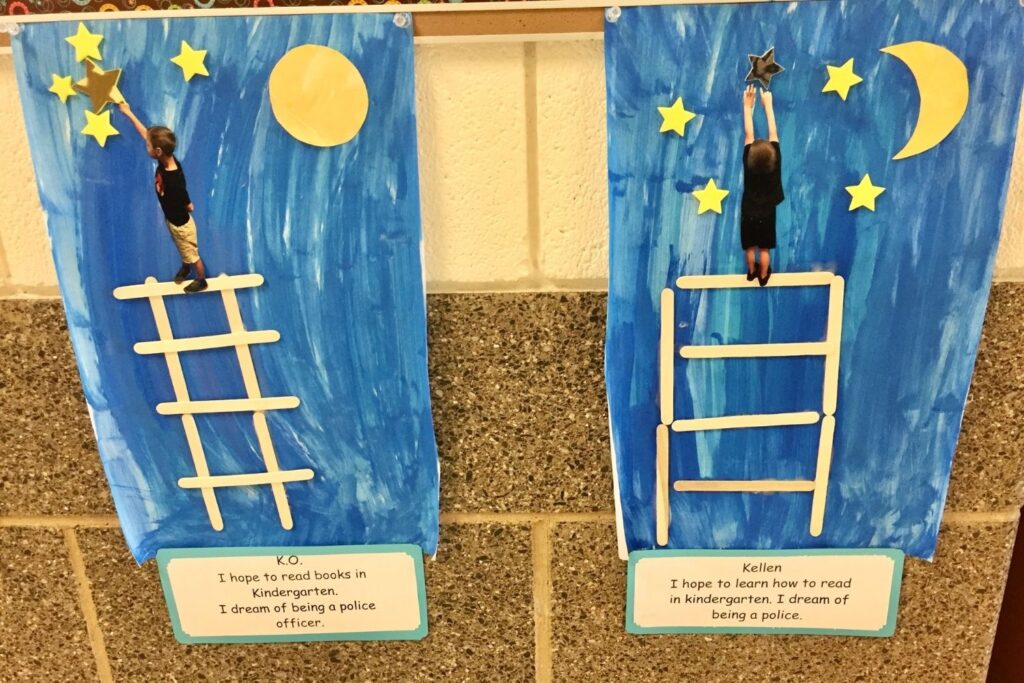
Hopes and Dreams: What I hoped I would learn this school year and now what I dream to do because of it …
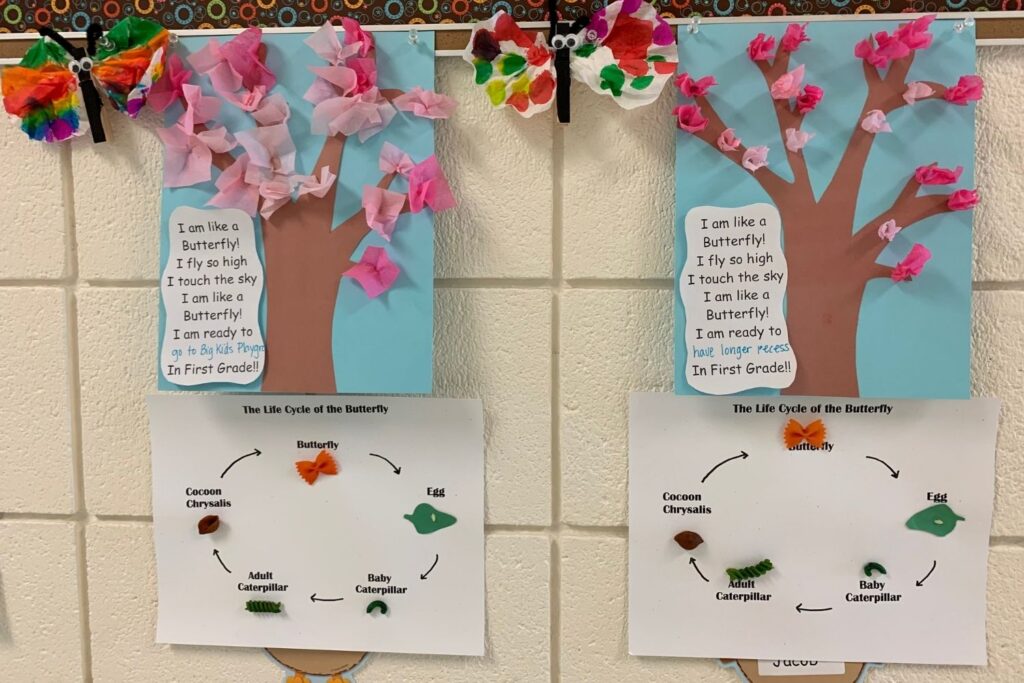
Butterflies: Spreading my wings and flying
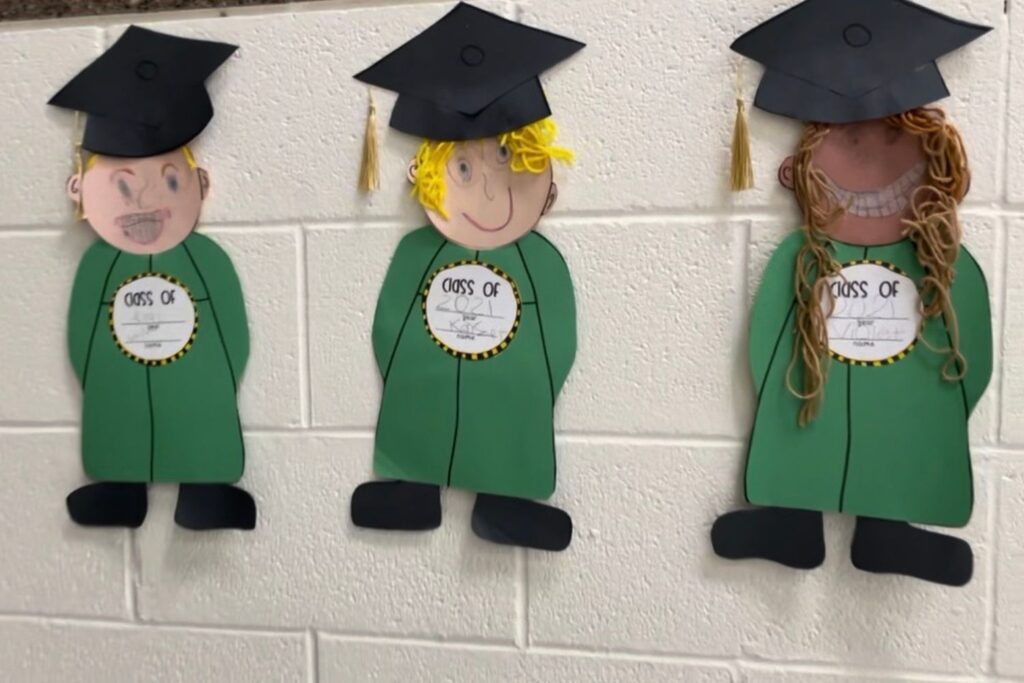
Graduating Me
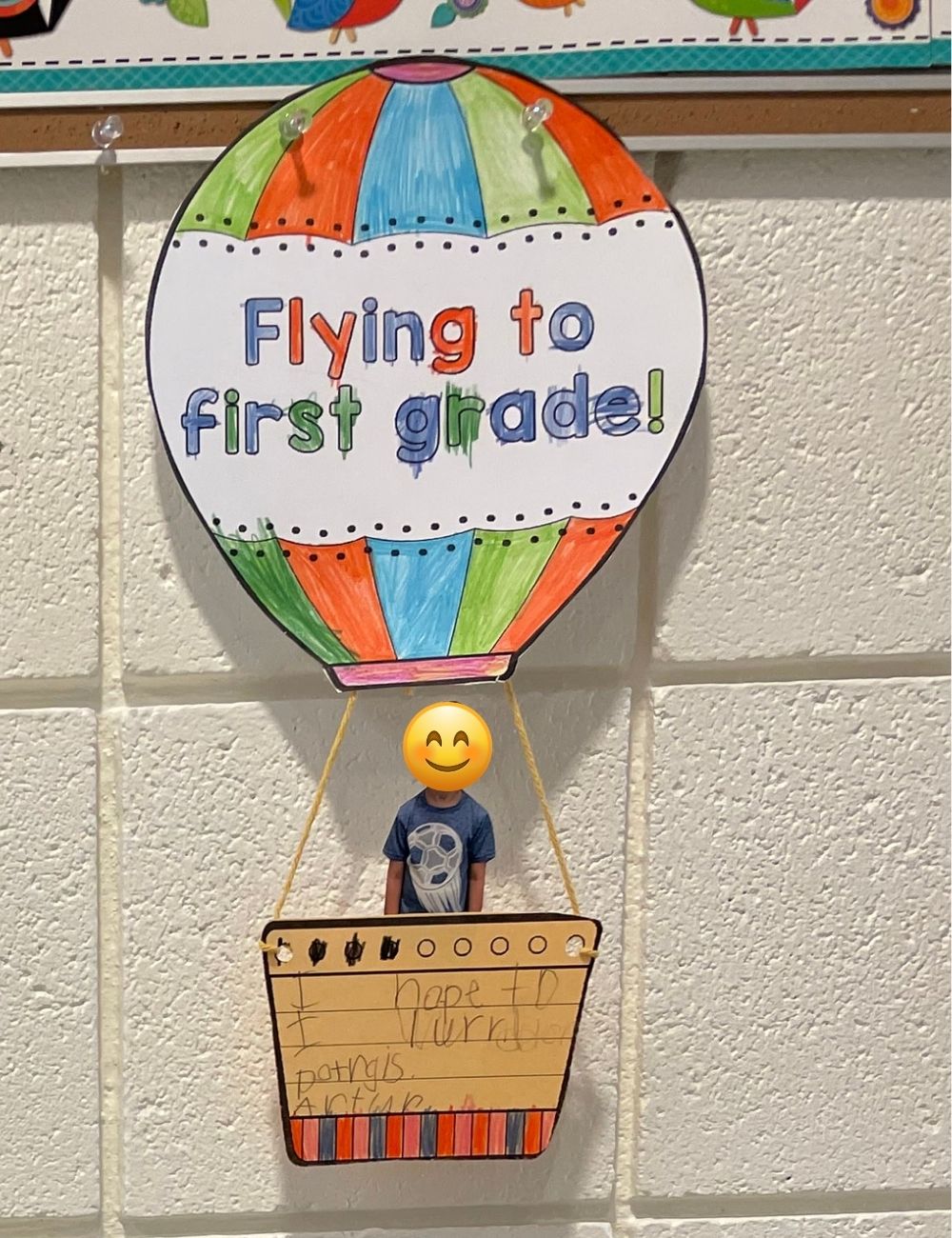
Soaring on to New Heights
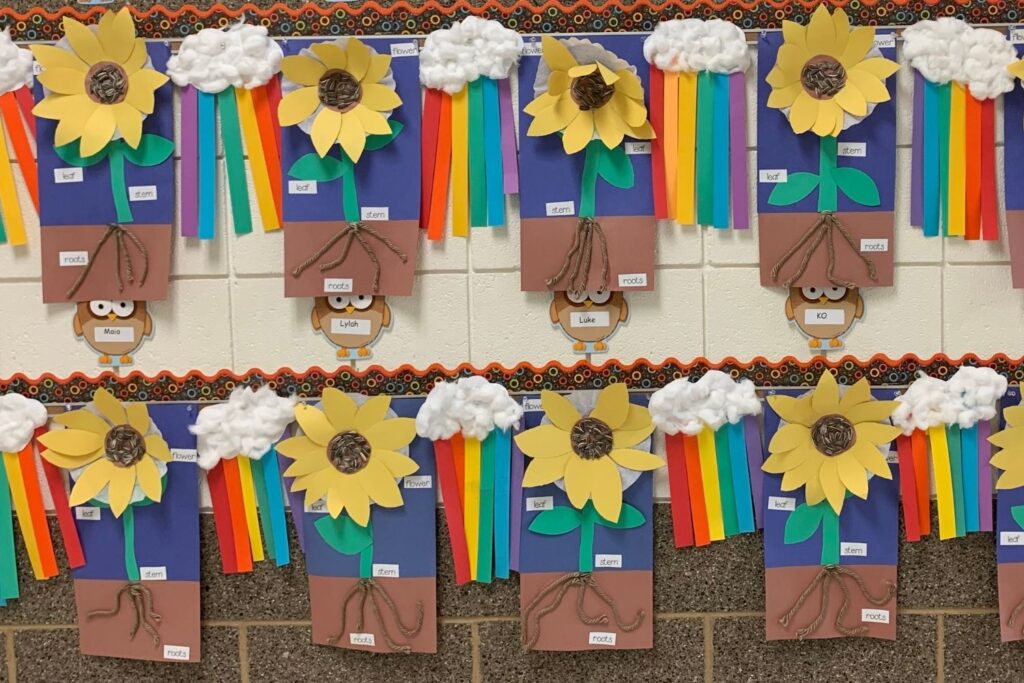
Completing a “Growth Garden” where each flower represents something they learned
Designing a “Proud of Me” poster
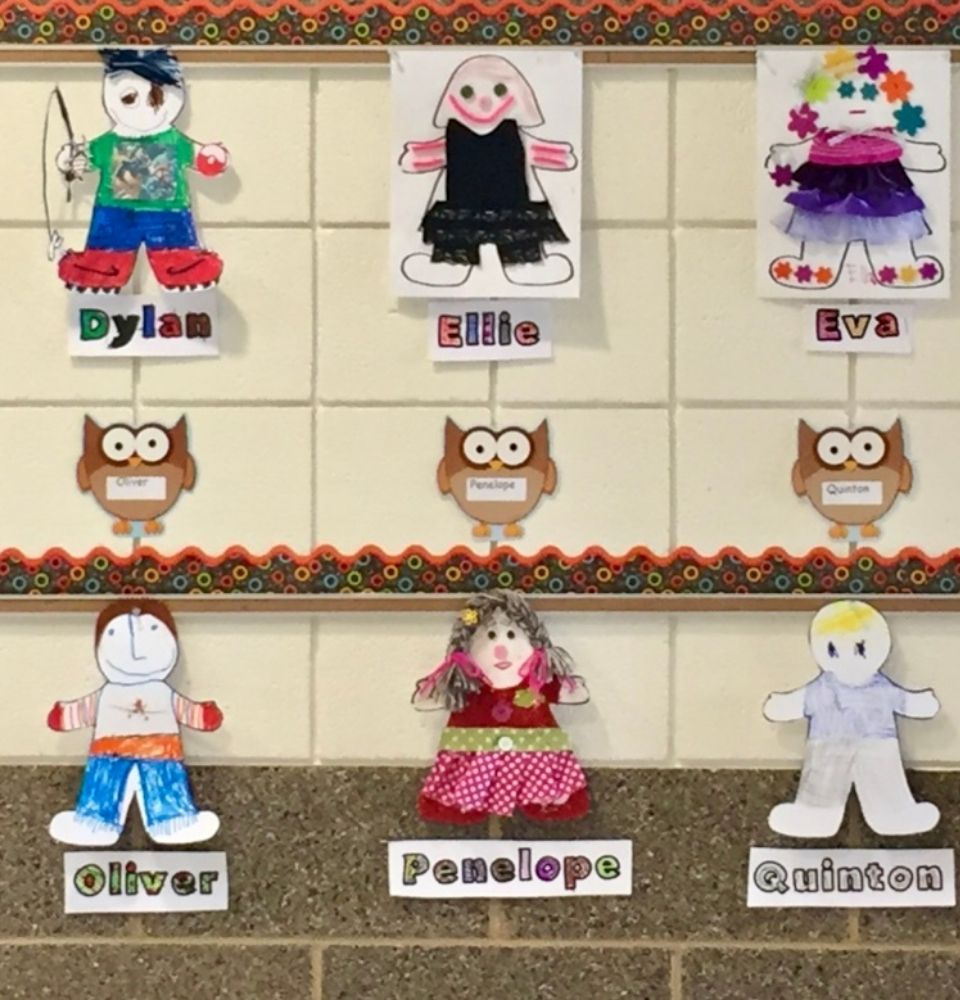
These are especially great for younger learners who express themselves better visually.
Ending the Year with Heart
Reflection isn’t just another activity to check off the list. It’s a way to honor the year you’ve spent together.
It slows things down. It brings meaning to all the little moments.
It helps students leave feeling proud, confident, and seen.
And honestly, it’s something we need as teachers, too!
Because when you take the time to reflect alongside your students, you’ll see it clearly:
You didn’t just teach lessons this year.
You helped shape lives.
Warmly,
Debbie
 Debbie Bagley works as a Studies Weekly Teacher Advocate. Teacher Advocates are former teachers who help teachers like you implement Studies Weekly materials into their instruction. Teacher Advocates are available to provide support through email, phone call, and video chat. Teacher Advocates are only available for classroom teachers currently using Studies Weekly materials. They are not available for homeschools. Schedule a meeting with Debbie here.